Best Historic Palace Stays in Barcelona
Barcelona's historic-building stays range from a 1919 Eixample palace to a monastery-adjacent hotel in Pedralbes: Hotel El Palace kept its original neo-classical façade from opening, H10 Universitat blends a 19th-century façade with contemporary interiors just off Plaça Catalunya, and Sansi Pedralbes sits 250 metres from the 14th-century Pedralbes Monastery on the city's quieter western edge. Casa Camper occupies a converted 19th-century Raval building near the Boqueria market, and Sixtytwo Hotel sits inside a typical 19th-century Eixample building near Passeig de Gràcia Station. Each ties its historic-building appeal to a different century and neighbourhood rather than a single generic old-Barcelona look.
Historic & Palace · Barcelona in numbers
 Historic & Palace
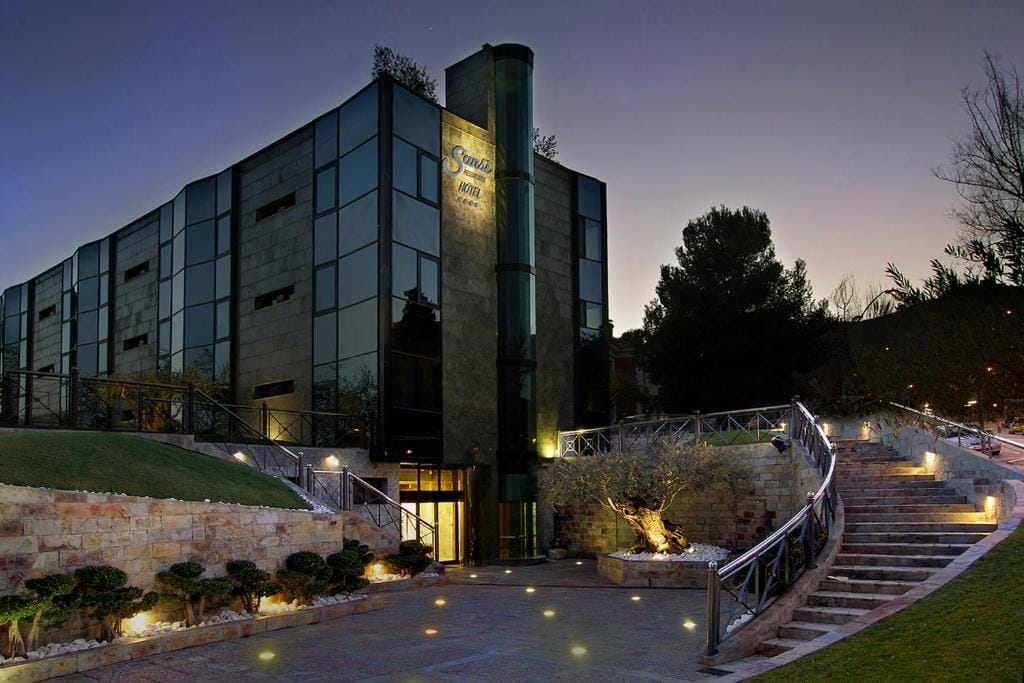
Sansi Pedralbes
 Historic & Palace
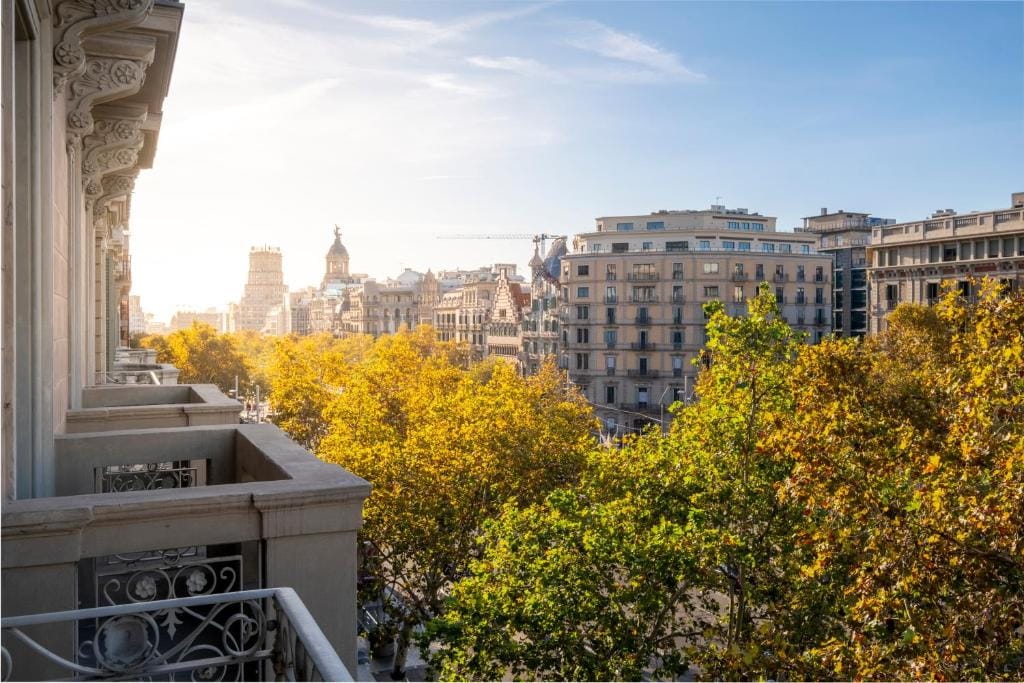
Sixtytwo Hotel
 Historic & Palace
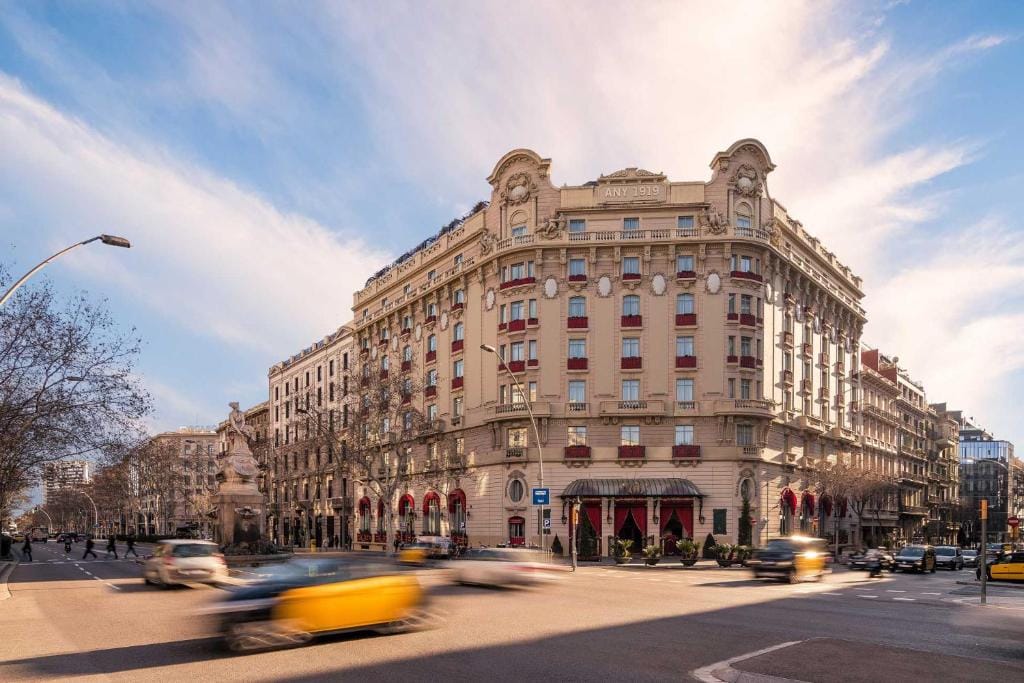
Hotel El Palace Barcelona
 Historic & Palace
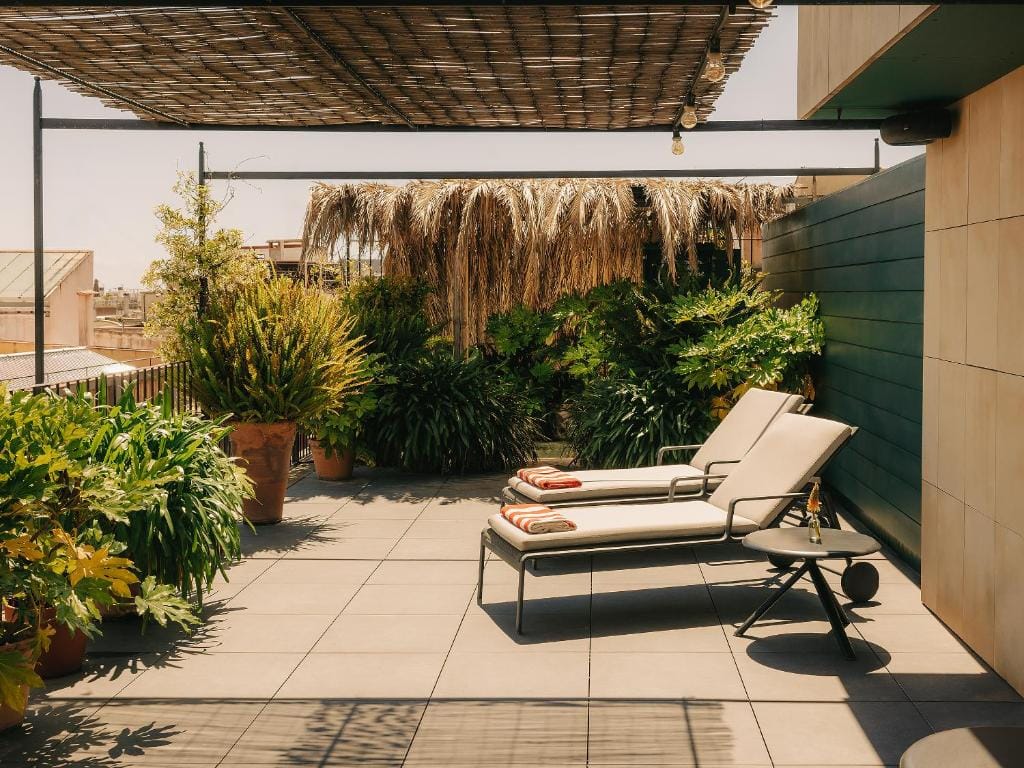
Casa Camper Barcelona
 Historic & Palace
H10 Universitat
From a 1326 Monastery to a 1919 Palace
Hotel El Palace opened in 1919 in the Eixample, close to the Ramblas and the city's main shopping streets, and still presents the neo-classical façade it was built with. A Mayan-style spa and chauffeured limousine service sit inside that century-old structure, giving guests a documented, dated building history that a newer five-star hotel elsewhere in the Eixample cannot claim. Spacious, classic-decor rooms carry that same early-20th-century sensibility through to the interiors, rather than a period façade wrapped around a fully modernised inside, and the building's continuous operation since 1919 means the history on show is lived-in rather than a recent restoration.
Sansi Pedralbes sits 250 metres from the Pedralbes Monastery, a Gothic complex founded in 1326 on what was then countryside outside the medieval city walls, in a district that stayed rural until Barcelona's 20th-century expansion absorbed it. IESE University sits five minutes away and ESADE two hundred metres, making this one of Barcelona's few historic-adjacent stays paired with a university-district setting rather than old-city density. Peaceful gardens and rooms decorated in soft blues and browns extend that calmer register indoors, a contrast to the busier hotels closer to Las Ramblas, with buses to central Barcelona stopping within twenty metres of the entrance.
H10 Universitat sits a hundred metres off Plaça Catalunya and Las Ramblas, blending a 19th-century façade with contemporary decor and design inside, a combination that puts guests in the cultural heart of the cosmopolitan city while walking distance to nearly every major sight stays under fifteen minutes. The building's original street front survives even as the interior reads entirely modern, a pairing that suits travelers who want a historic address without an interior stuck in an earlier decorating era, and free Wi-Fi throughout keeps the practical side just as current as the design.
Sixtytwo Hotel occupies a typical 19th-century building next to Passeig de Gràcia Station, with forty-five rooms split between views over the boulevard itself and a Japanese-style garden inside the property, an Eixample-specific contrast between Gaudí's Modernista street and a quiet interior courtyard. Casa Camper, by comparison, converts a 19th-century Raval building near the Boqueria market, giving the historic-stay category a genuinely working port-quarter alternative to the Eixample's grander mansions, with forty rooms split between garden and city outlooks of its own and just a five-minute walk over to Plaça Catalunya.
Barcelona's historic building stock spans genuinely different eras: Pedralbes Monastery, founded in 1326, sits in what was countryside until the 20th century, while the Eixample's 19th-century mansions and Hotel El Palace's 1919 construction both date from the city's industrial-era expansion. That range, medieval monastery to early-20th-century Eixample palace, means a historic stay in Barcelona can mean two very different centuries depending on which neighbourhood a traveler chooses, unlike a city with a single dominant historic period.