Best Historic Palace Stays in Avilés
Avilés' old town holds one genuine architectural showpiece: Palacio de Avilés, a 17th-century building converted into a hotel right on Plaza de España, opposite the town hall. Around it, a mix of old-town hotels, aparthotels and family-run houses fill out a historic-palace stay with their own character, stone walls at one, a garden and hot tub at another, parquet-floored family rooms at a third. This is Asturias rather than Andalusia, so the architecture leans Baroque and civic rather than Moorish, but the old town's centuries of layered history, port, church, palace, still shape almost everything within walking distance.
Historic & Palace · Avilés in numbers
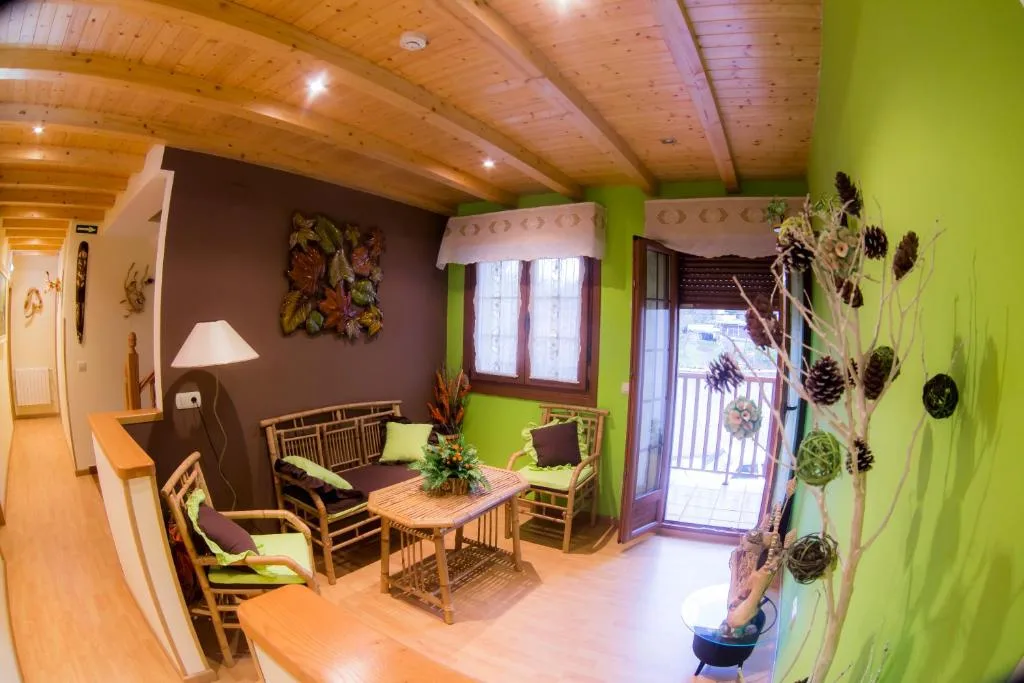 Historic & Palace
Hotel el Horreo de Avilés
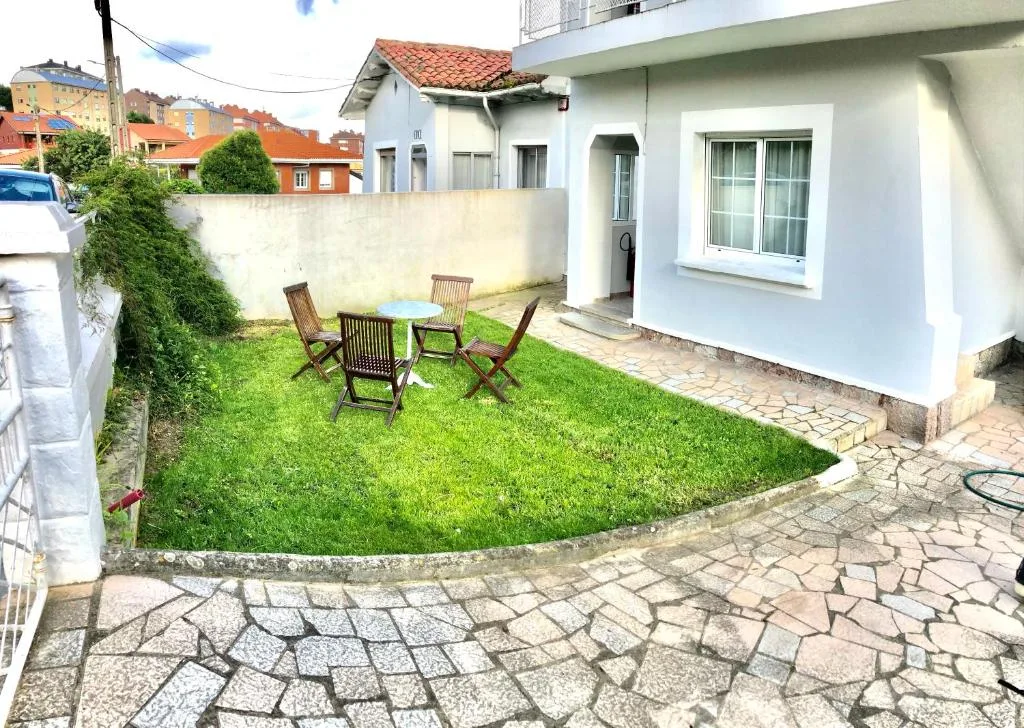 Historic & Palace
La Casita de El Montan Baja
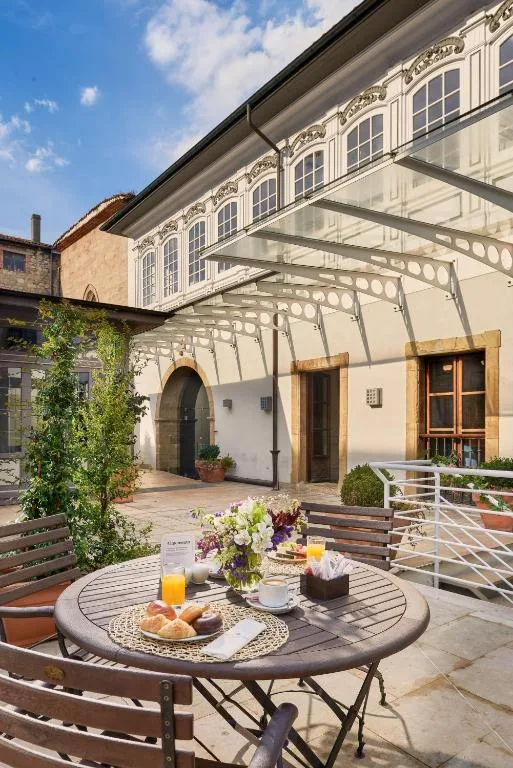 Historic & Palace
Palacio de Avilés, Affiliated by Meliá
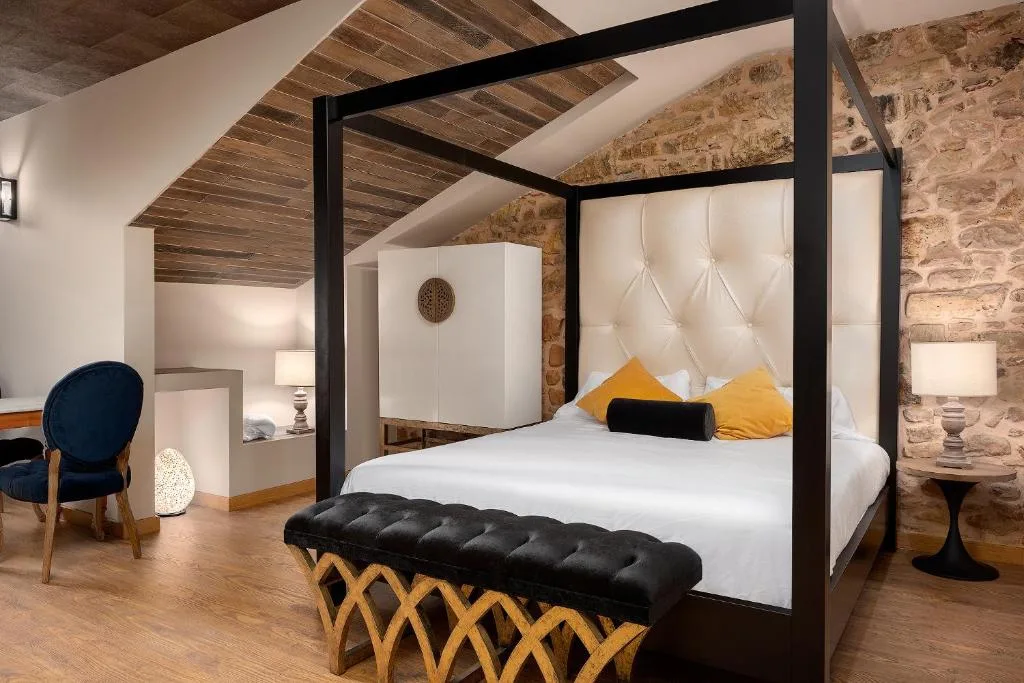 Historic & Palace
SUITE 1907 AVILES
 Historic & Palace
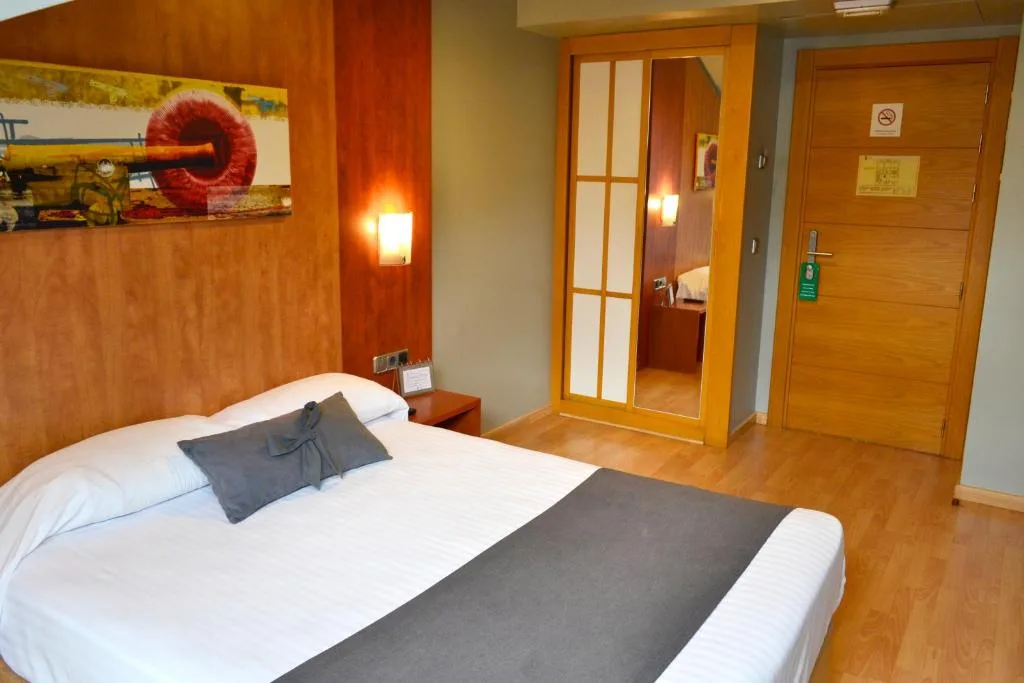
Hotel El Balcón
 Historic & Palace
Alda Palacio Valdés
Palace Walls and Riverside History
Palacio de Avilés, Affiliated by Meliá is the obvious anchor for a historic-palace stay: a genuine 17th-century building on Plaza de España, opposite the town hall and overlooking Ferrera Park, with suites that open onto classically decorated gardens rather than a modern courtyard. The restaurant's reinterpretation of traditional Asturian dishes matches the setting, and the Óscar Niemeyer Cultural Centre, 2.1 km across the river, offers a deliberate contrast: centuries-old stone against 21st-century curves, both walkable from the same old-town base. Few Asturian cities let a guest cover four centuries of architecture on a single afternoon stroll.
History runs through smaller properties too. Alda Palacio Valdés sits directly across the river from the Niemeyer Centre in the old town proper, a modern hotel built into a historic streetscape rather than a period building itself, while Hotel El Balcón and Hotel el Horreo de Avilés put families within a couple of kilometres of the Ruinas del Monasterio de Santa María, letting a history-focused day trip start from the hotel rather than requiring a drive across the city first. Both keep the theatre and the old town's civic buildings within easy reach as well.
SUITE 1907 AVILES and La Casita de El Montan Baja take the theme in a different direction, older residential buildings converted into aparthotel-style rooms and a full house, both within a couple of kilometres of the Teatro Armando Palacio Valdés. The setting is domestic rather than palatial, but the streets and buildings around them carry the same 19th- and early-20th-century character that defines much of Avilés outside its single grand palace. A kitchenette and a private garden suit a longer, history-focused stay better than a hotel room built for a single night.
A historic-palace stay in Avilés works best paired with the old town's other landmarks on foot: the theatre, the ruined monastery a few kilometres out, and Plaza de España itself, still the civic heart of the city centuries after the palace was built. Two or three nights gives enough time to see the palace hotel's grounds, walk the old town's older streets, and still make the short trip out to the monastery ruins without rushing. A longer stay leaves room to add a day at the coast or a drive inland toward Oviedo's own historic quarter.
Avilés wears its history in layers rather than a single preserved district: a medieval and Baroque core around Plaza de España, 19th-century houses on its edges, and a 20th-century industrial identity that reshaped the waterfront before the Óscar Niemeyer Cultural Centre arrived to reshape it again. The palace at its centre, now a hotel, was built for a noble family rather than tourism, and that civic, lived-in feel carries through the old town's theatre, its ruined monastery and its working port. History here is functional, not roped off behind glass.